
What it is
About 11.8 million people were living with Parkinson's in 2021, more than three times as many as in 1990 (GBD 2021). A 2025 projection puts the number at 25.2 million by 2050, driven mostly by ageing populations (Su et al., BMJ 2025). Among the neurodegenerative diseases it is the fastest growing. Men are affected about one and a half times as often as women, and it usually starts in the early to mid-60s; onset before 50 is called early onset.
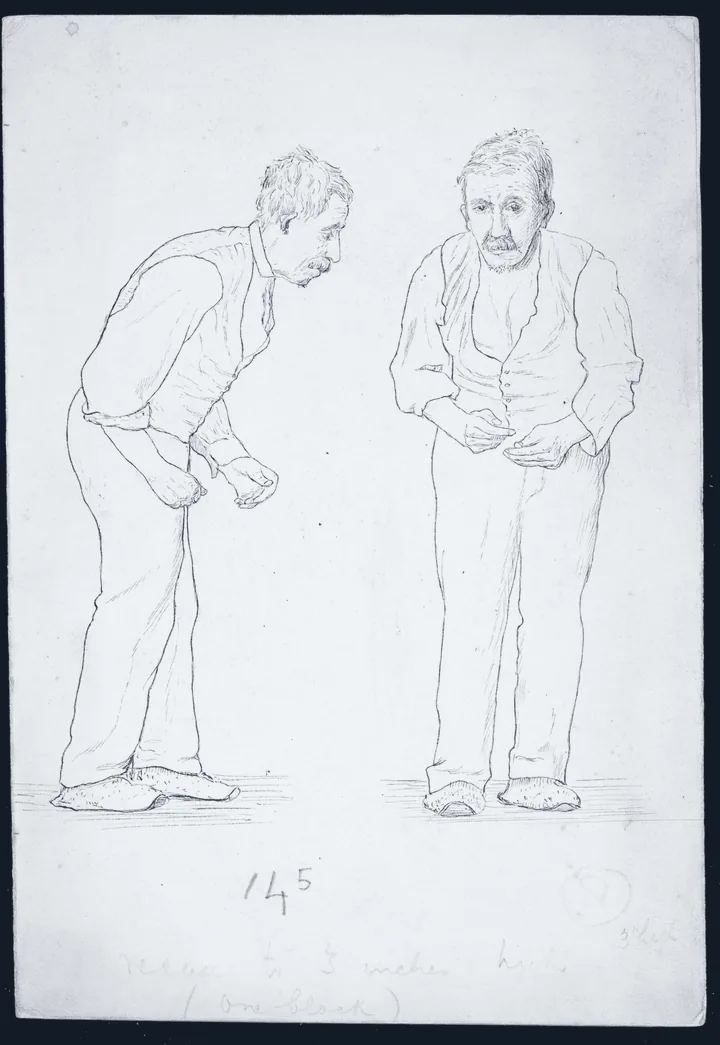
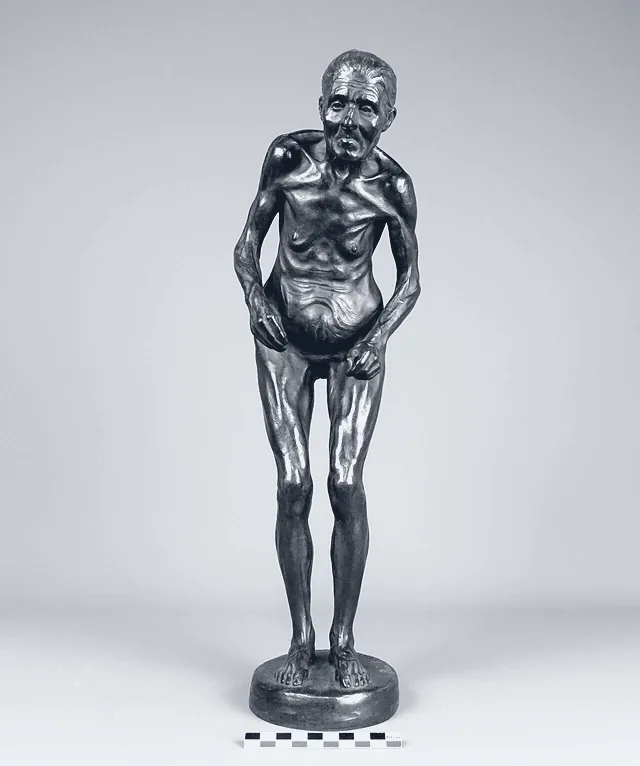
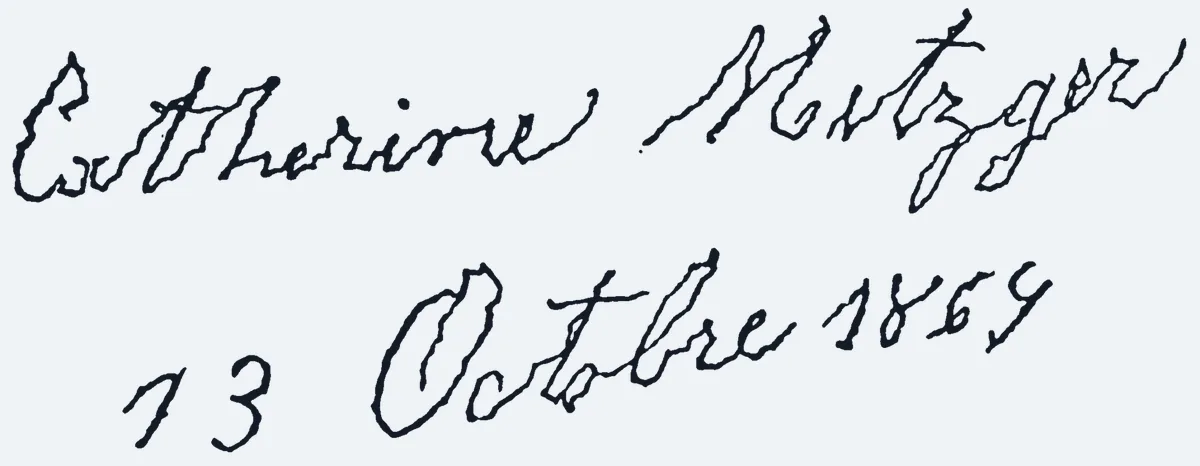
Doctors diagnose it from slowness of movement, bradykinesia, together with a tremor at rest of 4 to 6 beats a second or with rigidity (MDS criteria, 2015). The face loses expression, handwriting shrinks, the voice softens, the steps shorten. Problems with balance come later and are not part of the definition.


Much of the disease is not about movement. Years before the first tremor, many people lose their sense of smell, become constipated, or act out their dreams in their sleep. In a study of 1,280 people with that sleep disorder, 6.3% a year went on to a disease such as Parkinson's, and 73.5% after twelve years (Postuma et al., 2019). Depression, anxiety, pain, low blood pressure on standing and, later, dementia are common.

Inside the brain
Parkinson's destroys the pigmented dopamine neurons of the substantia nigra, the “black substance” of the midbrain, whose endings release dopamine in the striatum. By the time the motor signs appear, roughly 30 to 60 percent of the nigral dopamine neurons and 50 to 80 percent of their striatal endings are gone (Cheng et al., 2010; Kordower et al., 2013), which is why the nigra looks pale at autopsy.
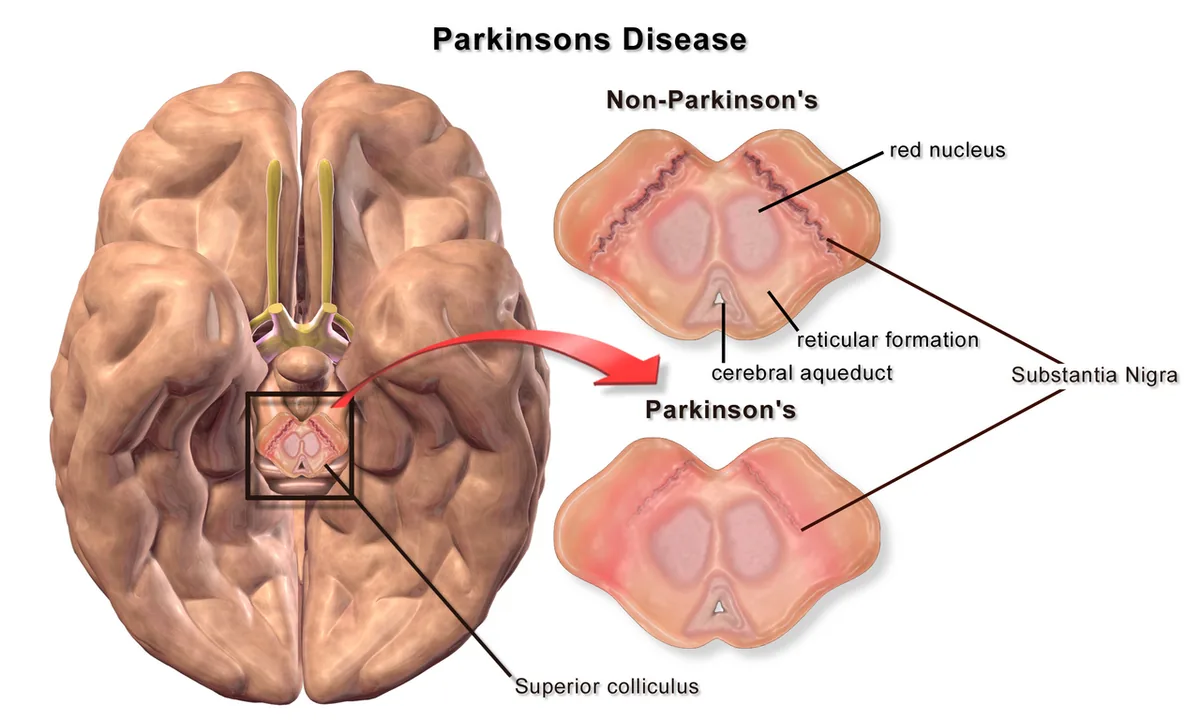

Inside the neurons that remain sit Lewy bodies and, in their processes, Lewy neurites: clumps made largely of misfolded α-synuclein. The pathology does not appear everywhere at once. It is found first in the lower brainstem and the olfactory bulb and reaches the nigra and then the cortex over years, in the sequence Braak staged in 2003.
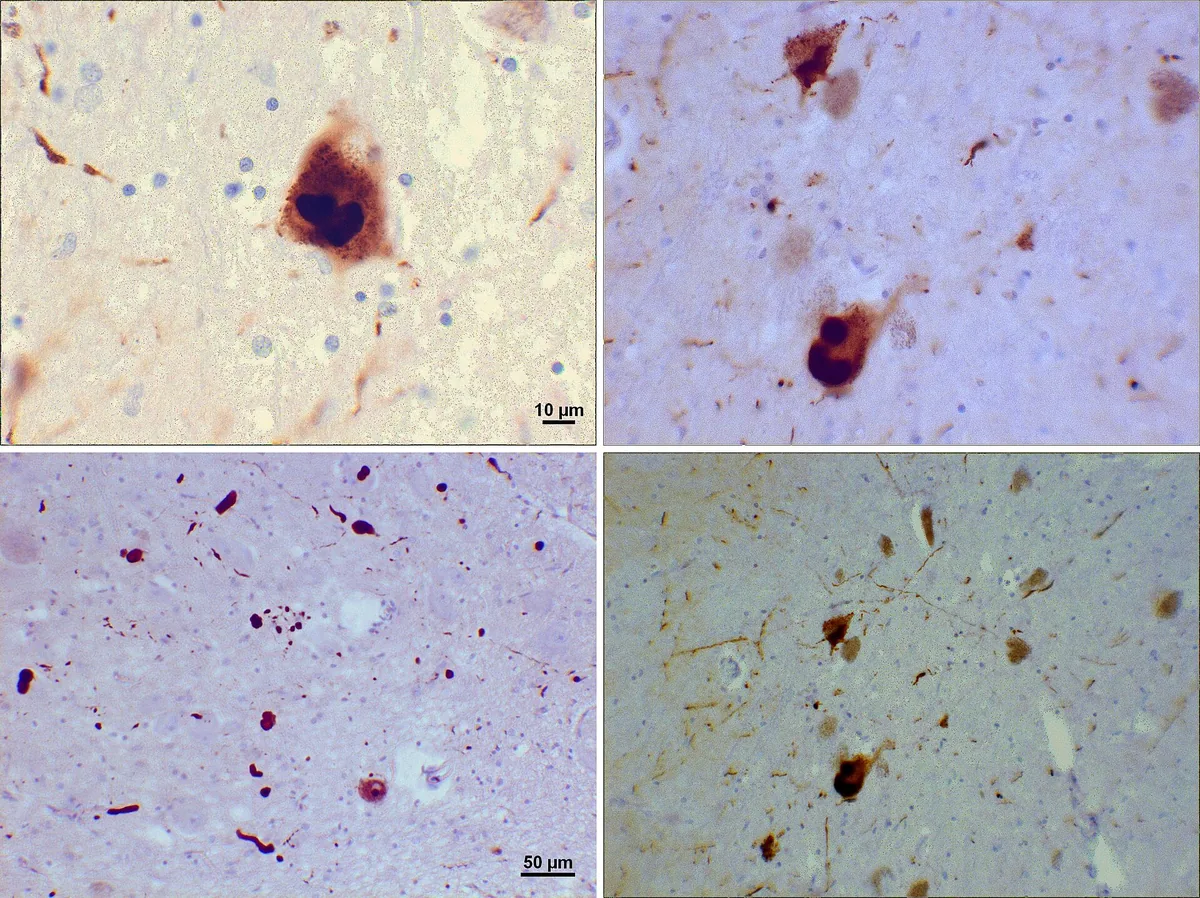

Two tests now look for the disease before or beyond the symptoms. A dopamine-transporter scan shows the loss of nigral endings in the striatum, and since 2023 a spinal-fluid test that amplifies misfolded α-synuclein has detected Parkinson's with 87.7% sensitivity and 96.3% specificity (Siderowf et al., 2023). In 2024 two groups proposed defining the disease for research by its biology rather than its symptoms (Simuni et al.; Höglinger et al.).
Two centuries, in order


- 1817
James Parkinson publishes An Essay on the Shaking Palsy, 66 pages on six people. Two he met by chance in the street; one he only saw at a distance.
- 1861
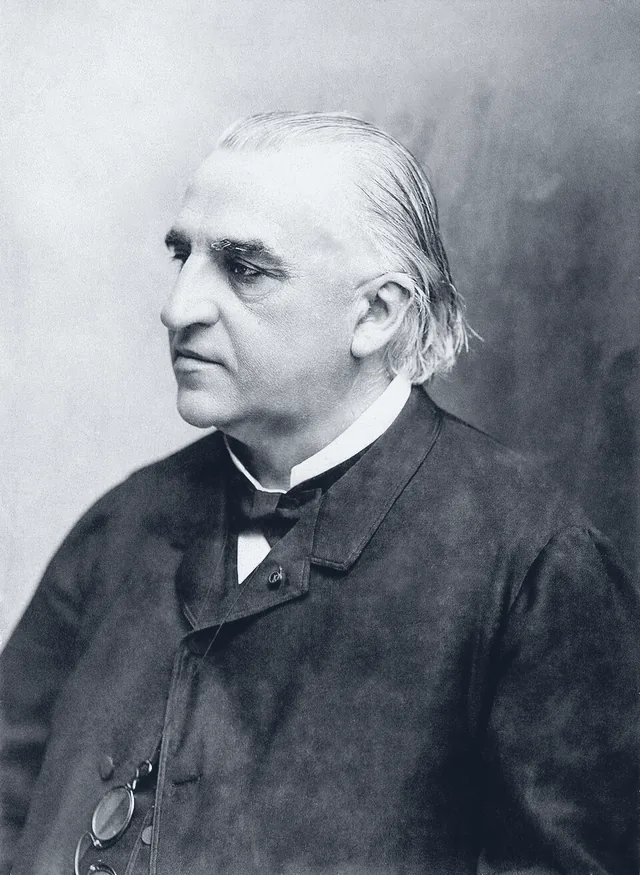
Jean-Martin Charcot and Alfred Vulpian write of “la maladie de Parkinson”. Through the 1870s Charcot separates its slowness from weakness, adds rigidity, and describes forms without tremor.
- 1886
William Gowers draws the stooped posture for his Manual of Diseases of the Nervous System (1886–88); at the Salpêtrière, Paul Richer draws and sculpts Charcot's patients.
- 1912
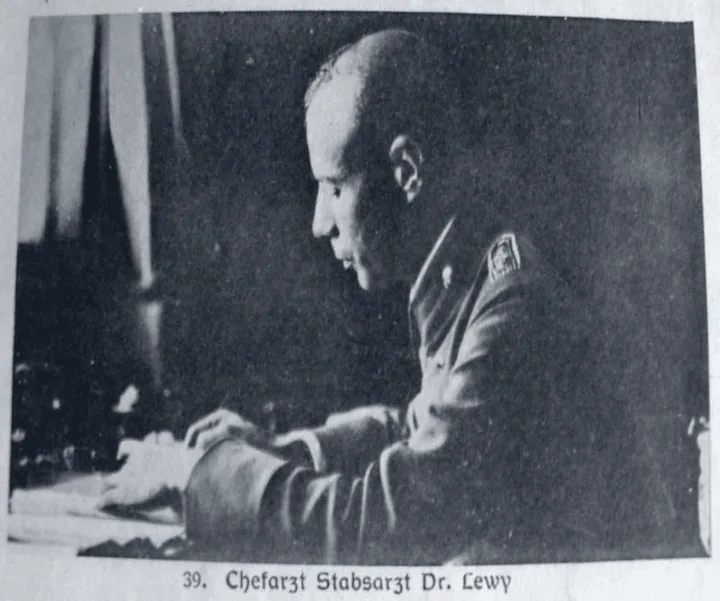
Friedrich Lewy describes round inclusions in the dorsal motor nucleus of the vagus and the nucleus basalis of Meynert.
- 1919
Konstantin Tretiakoff finds the pigmented neurons of the substantia nigra lost, sees the same inclusions in the survivors, and names them corps de Lewy.
- 1957
Arvid Carlsson shows that dopamine is a transmitter in its own right, and that L-DOPA reverses the stillness reserpine causes in animals. Nobel Prize, 2000.
- 1960
Herbert Ehringer and Oleh Hornykiewicz find dopamine depleted in the striatum of people who died with Parkinson's. In 1961 Birkmayer and Hornykiewicz give the first L-DOPA injections.
- 1967
George Cotzias treats patients with high oral doses of DL-DOPA; pure levodopa follows in 1969. The FDA approves levodopa on 4 June 1970, and carbidopa/levodopa in 1975.
- 1983
J. William Langston traces parkinsonism in young drug users to MPTP, a contaminant that kills nigral neurons: the first toxin model in people.
- 1987
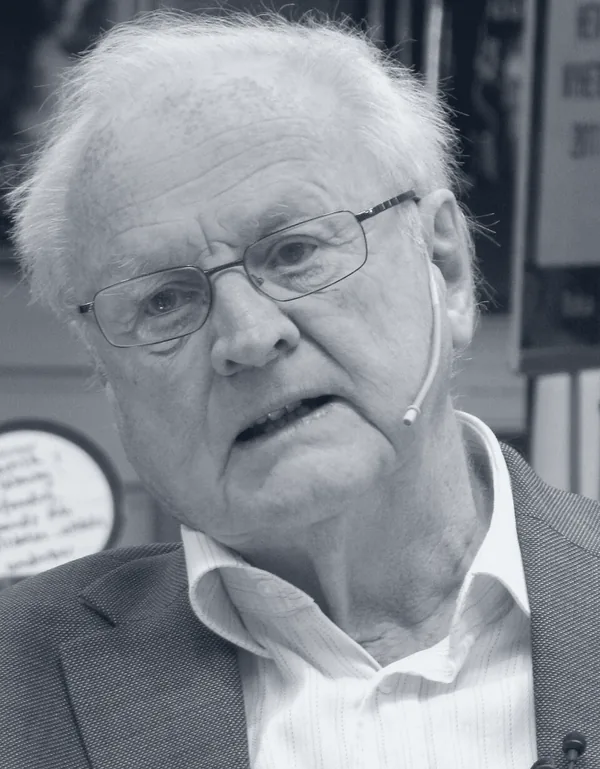
Alim-Louis Benabid's team stimulates the thalamus to stop tremor; stimulation of the subthalamic nucleus follows in 1993–95. The FDA approves thalamic stimulation for tremor in 1997, and subthalamic or pallidal stimulation for advanced Parkinson's in 2002.
- 1997
A mutation in α-synuclein (SNCA) causes Parkinson's in an Italian family, and Lewy bodies turn out to be made largely of α-synuclein.
- 1998
Parkin (PRKN) is found behind juvenile recessive parkinsonism; DJ-1 (2003), PINK1 and LRRK2 (2004) follow.
- 2003
Heiko Braak and colleagues stage Lewy pathology: from the lower brainstem and olfactory bulb, up through the nigra, to the cortex.
- 2009
A sixteen-centre study shows that GBA variants raise Parkinson's risk about fivefold: the most common genetic risk factor.
- 2011
VPS35 becomes the third dominant gene. The FDA approves DaTscan, which images the dopamine transporter in the striatum.
- 2019
A genome-wide study of 37,688 cases finds 90 independent risk signals across 78 regions.
- 2022
A single-nucleus atlas of the human nigra finds that one population of dopamine neurons, marked by SOX6 and AGTR1, selectively degenerates.
- 2023
A spinal-fluid test that amplifies misfolded α-synuclein detects Parkinson's with 87.7% sensitivity and 96.3% specificity.
- 2024
Two groups propose defining the disease by its biology (α-synuclein and neurodegeneration) rather than its symptoms, for research. A multi-ancestry study finds 78 loci; RAB32 joins the genes. An extended-release levodopa capsule and a continuous levodopa infusion under the skin are approved.
- 2025
Two first trials of transplanted dopamine cells, from embryonic and from induced stem cells, report their safety results. The FDA approves adaptive deep brain stimulation. The exenatide phase 3 trial finds no benefit.
- 2026
The first large trial of a LRRK2 inhibitor finds no slowing of progression. Prasinezumab, an antibody against α-synuclein, narrowly missed its phase 2b endpoint and is in phase 3. Japan's regulator recommends a conditional approval for induced-stem-cell dopamine progenitors; the FDA approves tavapadon, a once-daily dopamine agonist.


The genes
Some people with Parkinson's have a close relative with it, and a small minority carry a single gene variant that causes it. Genome-wide studies add dozens of common variants that each nudge the risk (Nalls et al., 2019; Kim et al., 2024). Each gene below opens the agent's record of it.
| gene | what it does | how it acts in Parkinson's | found |
|---|---|---|---|
| SNCA | α-synuclein, a presynaptic protein; the main component of Lewy bodies | dominant (point mutations, extra copies) | 1997 |
| LRRK2 | a kinase that tags Rab proteins and acts on lysosomes; G2019S is the most common variant | dominant | 2004 |
| VPS35 | the retromer, which sorts cargo out of endosomes | dominant (D620N) | 2011 |
| PRKN | parkin, which tags damaged mitochondria for removal | recessive, early onset | 1998 |
| PINK1 | a mitochondrial kinase that calls parkin to damaged mitochondria | recessive, early onset | 2004 |
| PARK7 | DJ-1, a guard against oxidative stress | recessive, early onset | 2003 |
| GBA1 | glucocerebrosidase, a lysosomal enzyme | risk factor, the most common | 2009 |
| RAB32 | a Rab protein; the risk variant activates LRRK2 | rare risk variant (S71R) | 2024 |
| TMEM175 | a lysosomal ion channel | common risk locus | GWAS |
| MAPT | tau | common risk locus | GWAS |
What treats it today
Levodopa, given with carbidopa so that more of it reaches the brain, is still the most effective treatment, half a century after its approval. Dopamine agonists, MAO-B and COMT inhibitors stretch or smooth its effect, and amantadine damps the involuntary movements it can cause after years of use. In 2026 the FDA approved tavapadon, a once-daily agonist of the D1 and D5 dopamine receptors.
When pills stop working smoothly, devices and pumps take over: deep brain stimulation of the subthalamic nucleus or the globus pallidus, now with an adaptive version that adjusts itself to brain signals (2025); focused ultrasound lesions without an incision; and continuous infusions of levodopa under the skin (2024) or apomorphine (2025). Exercise and physiotherapy help at every stage.
None of these slows the disease. They replace or modulate the dopamine that is lost.
What has not worked yet
Every attempt to slow Parkinson's so far has missed or is still running. The recent ones:
| treatment | how it should work | where it stands |
|---|---|---|
| prasinezumab | antibody against α-synuclein | PASADENA (2022) and PADOVA (2026) missed their primary endpoints, PADOVA narrowly; phase 3 PARAISO began in 2025 |
| BIIB122 | LRRK2 kinase inhibitor | LUMA found no slowing in 2026; development in sporadic Parkinson's stopped; a trial in LRRK2 carriers continues |
| lixisenatide | GLP-1 receptor agonist | less motor worsening over 12 months in a phase 2 trial (2024) |
| exenatide | GLP-1 receptor agonist | no benefit in phase 3 (2025); the journal later issued an expression of concern |
| ambroxol | chaperone for glucocerebrosidase | phase 3 recruiting since 2025 |
| BIA 28-6156 | glucocerebrosidase activator | missed its endpoints in people with GBA1 variants (2026) |
| dopamine cell transplants | embryonic or induced stem-cell derived | phase 1/2 safety results in 2025; a sham-controlled phase 3 began in 2025 |
Each failure narrows the question this site's agent works on: which cells to perturb, which way, and what result would show the idea is wrong. Give it a gene.
The red tulip
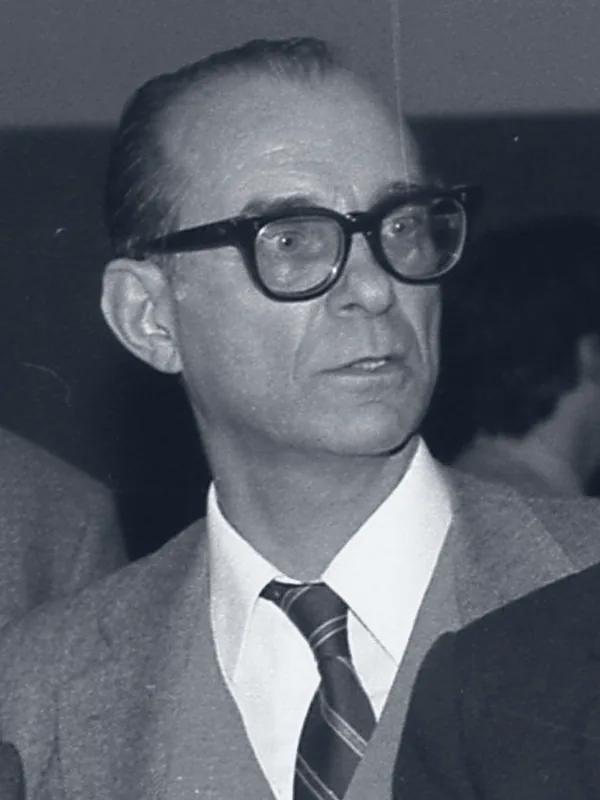
The ‘Dr. James Parkinson’ tulip, red with a white edge, was bred in 1980 by J.W.S. Van der Wereld, a Dutch grower who had Parkinson's. It was adopted as the symbol of the disease on 11 April 2005. 11 April, Parkinson's birthday, has been World Parkinson's Day since 1997. No portrait of James Parkinson is known; the photographs that circulate under his name show other men.




Sources
- Parkinson, J. An Essay on the Shaking Palsy. London: Sherwood, Neely and Jones (1817). Reprinted in J Neuropsychiatry Clin Neurosci 14, 223–236 (2002). doi:10.1176/jnp.14.2.223
- Goedert, M. & Compston, A. Parkinson's disease: the story of an eponym. Nature Reviews Neurology 14, 57–62 (2018). doi:10.1038/nrneurol.2017.165
- Goedert, M. et al. 100 years of Lewy pathology. Nature Reviews Neurology 9, 13–24 (2013). doi:10.1038/nrneurol.2012.242
- Lees, A. J. et al. The black stuff and Konstantin Nikolaevich Tretiakoff. Movement Disorders 23, 777–783 (2008). doi:10.1002/mds.21855
- Carlsson, A. et al. On the presence of 3-hydroxytyramine in brain. Science 127, 471 (1958). doi:10.1126/science.127.3296.471
- Ehringer, H. & Hornykiewicz, O. Verteilung von Noradrenalin und Dopamin (3-Hydroxytyramin) im Gehirn des Menschen und ihr Verhalten bei Erkrankungen des extrapyramidalen Systems. Klinische Wochenschrift 38, 1236–1239 (1960). doi:10.1007/BF01485901
- Cotzias, G. C. et al. Aromatic amino acids and modification of parkinsonism. New England Journal of Medicine 276, 374–379 (1967). doi:10.1056/NEJM196702162760703
- Langston, J. W. et al. Chronic parkinsonism in humans due to a product of meperidine-analog synthesis. Science 219, 979–980 (1983). doi:10.1126/science.6823561
- Limousin, P. et al. Effect on parkinsonian signs and symptoms of bilateral subthalamic nucleus stimulation. Lancet 345, 91–95 (1995). doi:10.1016/S0140-6736(95)90062-4
- Polymeropoulos, M. H. et al. Mutation in the α-synuclein gene identified in families with Parkinson's disease. Science 276, 2045–2047 (1997). doi:10.1126/science.276.5321.2045
- Spillantini, M. G. et al. α-Synuclein in Lewy bodies. Nature 388, 839–840 (1997). doi:10.1038/42166
- Kitada, T. et al. Mutations in the parkin gene cause autosomal recessive juvenile parkinsonism. Nature 392, 605–608 (1998). doi:10.1038/33416
- Bonifati, V. et al. Mutations in the DJ-1 gene associated with autosomal recessive early-onset parkinsonism. Science 299, 256–259 (2003). doi:10.1126/science.1077209
- Valente, E. M. et al. Hereditary early-onset Parkinson's disease caused by mutations in PINK1. Science 304, 1158–1160 (2004). doi:10.1126/science.1096284
- Zimprich, A. et al. Mutations in LRRK2 cause autosomal-dominant parkinsonism with pleomorphic pathology. Neuron 44, 601–607 (2004). doi:10.1016/j.neuron.2004.11.005
- Sidransky, E. et al. Multicenter analysis of glucocerebrosidase mutations in Parkinson's disease. New England Journal of Medicine 361, 1651–1661 (2009). doi:10.1056/NEJMoa0901281
- Vilariño-Güell, C. et al. VPS35 mutations in Parkinson disease. American Journal of Human Genetics 89, 162–167 (2011). doi:10.1016/j.ajhg.2011.06.001
- Braak, H. et al. Staging of brain pathology related to sporadic Parkinson's disease. Neurobiology of Aging 24, 197–211 (2003). doi:10.1016/S0197-4580(02)00065-9
- Nalls, M. A. et al. Identification of novel risk loci, causal insights, and heritable risk for Parkinson's disease: a meta-analysis of genome-wide association studies. Lancet Neurology 18, 1091–1102 (2019). doi:10.1016/S1474-4422(19)30320-5
- Kim, J. J. et al. Multi-ancestry genome-wide association meta-analysis of Parkinson's disease. Nature Genetics 56, 27–36 (2024). doi:10.1038/s41588-023-01584-8
- Gustavsson, E. K. et al. RAB32 Ser71Arg in autosomal dominant Parkinson's disease: linkage, association, and functional analyses. Lancet Neurology 23, 603–614 (2024). doi:10.1016/S1474-4422(24)00121-2
- Hop, P. J. et al. Systematic rare variant analyses identify RAB32 as a susceptibility gene for familial Parkinson's disease. Nature Genetics 56, 1371–1376 (2024). doi:10.1038/s41588-024-01787-7
- Kamath, T. et al. Single-cell genomic profiling of human dopamine neurons identifies a population that selectively degenerates in Parkinson's disease. Nature Neuroscience 25, 588–595 (2022). doi:10.1038/s41593-022-01061-1
- Cheng, H.-C., Ulane, C. M. & Burke, R. E. Clinical progression in Parkinson disease and the neurobiology of axons. Annals of Neurology 67, 715–725 (2010). doi:10.1002/ana.21995
- Kordower, J. H. et al. Disease duration and the integrity of the nigrostriatal system in Parkinson's disease. Brain 136, 2419–2431 (2013). doi:10.1093/brain/awt192
- Postuma, R. B. et al. MDS clinical diagnostic criteria for Parkinson's disease. Movement Disorders 30, 1591–1601 (2015). doi:10.1002/mds.26424
- Postuma, R. B. et al. Risk and predictors of dementia and parkinsonism in idiopathic REM sleep behaviour disorder: a multicentre study. Brain 142, 744–759 (2019). doi:10.1093/brain/awz030
- Siderowf, A. et al. Assessment of heterogeneity among participants in the Parkinson's Progression Markers Initiative cohort using α-synuclein seed amplification: a cross-sectional study. Lancet Neurology 22, 407–417 (2023). doi:10.1016/S1474-4422(23)00109-6
- Simuni, T. et al. A biological definition of neuronal α-synuclein disease: towards an integrated staging system for research. Lancet Neurology 23, 178–190 (2024). doi:10.1016/S1474-4422(23)00405-2
- Höglinger, G. U. et al. A biological classification of Parkinson's disease: the SynNeurGe research diagnostic criteria. Lancet Neurology 23, 191–204 (2024). doi:10.1016/S1474-4422(23)00404-0
- GBD 2021 Nervous System Disorders Collaborators. Global, regional, and national burden of disorders affecting the nervous system, 1990–2021. Lancet Neurology 23, 344–381 (2024). doi:10.1016/S1474-4422(24)00038-3
- Su, D. et al. Projections for prevalence of Parkinson's disease and its driving factors in 195 countries and territories to 2050: modelling study of Global Burden of Disease Study 2021. BMJ 388, e080952 (2025). doi:10.1136/bmj-2024-080952
- Pagano, G. et al. Trial of prasinezumab in early-stage Parkinson's disease. New England Journal of Medicine 387, 421–432 (2022). doi:10.1056/NEJMoa2202867
- Nikolcheva, T. et al. Efficacy and safety of intravenous prasinezumab in individuals with early-stage Parkinson's disease on stable symptomatic monotherapy (PADOVA). Lancet 407, 2227–2240 (2026). doi:10.1016/S0140-6736(26)00865-2
- Meissner, W. G. et al. Trial of lixisenatide in early Parkinson's disease. New England Journal of Medicine 390, 1176–1185 (2024). doi:10.1056/NEJMoa2312323
- Vijiaratnam, N. et al. Exenatide once a week versus placebo as a potential disease-modifying treatment for people with Parkinson's disease in the UK: a phase 3, multicentre, double-blind, parallel-group, randomised, placebo-controlled trial. Lancet 405, 627–636 (2025); expression of concern, 2026. doi:10.1016/S0140-6736(24)02808-3
- Tabar, V. et al. Phase I trial of hES cell-derived dopaminergic neurons for Parkinson's disease. Nature 641, 978–983 (2025). doi:10.1038/s41586-025-08845-y
- Sawamoto, N. et al. Phase I/II trial of iPS-cell-derived dopaminergic cells for Parkinson's disease. Nature 641, 971–977 (2025). doi:10.1038/s41586-025-08700-0
- Dorsey, E. R. & Bloem, B. R. The Parkinson pandemic: a call to action. JAMA Neurology 75, 9–10 (2018). doi:10.1001/jamaneurol.2017.3299
- Lees, A., Eyre, P. & Brown, P. The true face of James Parkinson. Lancet Neurology 17, 507 (2018). doi:10.1016/S1474-4422(18)30174-1